Skip to content

Today's Creation Moment

May
21
Plants Focus Light
Psalm 1:1-3
"Blessed [is] the man that walketh not in the counsel of the ungodly, nor standeth in the way of sinners, nor sitteth in the seat of the scornful. But his delight [...
In many ways, a plant is like a machine that changes the energy of sunlight into food energy that is needed by the rest of the living world. The energy which runs the plant is light. Now, if you...
RSS
Share

Frequently Asked Questions About Creationism | Short Answers to Big Questions

Is it consistent with biblical inerrancy to believe that the Genesis days are long periods of time?

Isn't this a compromise with evolution?

Unfortunately, it has become stylish in some circles to claim belief in inerrancy while holding beliefs which are foreign to the Bible. Those who do this generally argue that the biblical material they choose not to accept "is open to interpretation." Following this principle, nearly everything in Scripture could be questioned while the questioner continued to claim that he holds to inerrancy.

Where did the different races come from?

Adam and Eve carried all the traits of all the races in their genetic information just as we today have genetic information from our parents which is not expressed in us. The genetic information is there within us, and it may show itself in the next generation. For this reason, it's hard to tell what Adam and Eve looked like.

Times and Seasons

In the Gospels the Lord Jesus speaks of knowing the times and the seasons. He compares knowing the times and seasons to the day's weather from the sunset the night before or the morning's sunrise. The Bible itself, therefore, appears to support the adage: "Red at night, sailors delight; red in the morning, sailors take warning." Is there a scientific basis for this saying?

Where does "prehistoric man" fit into the Bible's history?

The Bible says that God created man in His own image. Where does "prehistoric man" enter the picture? Did this kind of person roam the Earth before God created Adam and Eve?

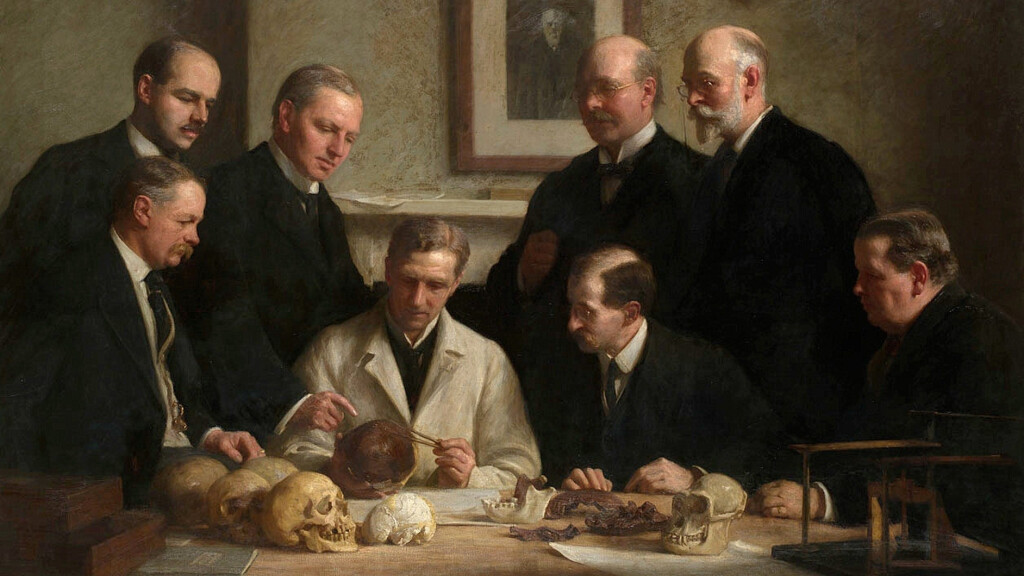
The idea that there were "prehistoric men" before Adam and Eve comes from those who do not understand the nature of the evidence. These creatures are often creations of men and not of God.

What evidence is there of pre-Adamic civilizations?

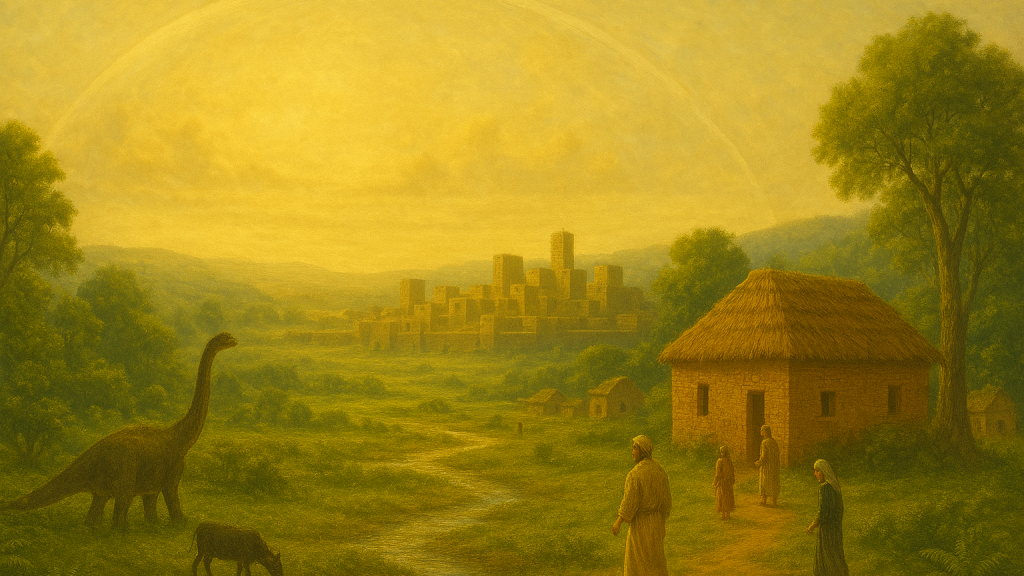
The idea that there were civilizations on Earth before Adam began among the Christians of England and Europe in the early 1600s. It was an idea that resulted from the discovery of remote tribes who looked "different." The explanation put forward was that these people were survivors of the Genesis Flood and were once part of a great civilization.

Can the millions of years demanded by evolutionary geologists be refuted?

The belief in evolution demands the concomitant beliefs that the Earth is billions of years old and that the Genesis Flood was local. The arguments used to claim these unimaginable eras of time are based upon early geological speculations of the history of the Earth and are seldom, if ever, made clear even to students of geology.

Has mankind evolved or devolved?

Has mankind evolved upward from the ape or has he fallen from some higher being? In our computer-driven world we might become convinced that we are indeed evolving to "supermen." Idealists such as Nietzsche and Adolf Hitler thought so. However, both Scripture and the historical facts show that far from evolving ever upward, mankind is "devolving" both physically and mentally.

Why did God curse the ground and not Adam?

The account of the creation of the universe, the Earth and the first human couple is confined to the first chapter of Genesis. We wish more details had been given, yet diligent reading of the rest of Scripture does reveal answers to many of those questions we may have. This process is known as "progressive revelation."

Did Adam really live for 930 years?

Genesis chapters 5, 9, 11, 25, 35, 47 and 50 contain the genealogy of the beginnings of the human family. From Adam through Moses, we are told who was related to whom, the age of the father at the birth of their first son and the age of these individuals when they died. In this way, and without using calendar dates, we are told not only who was contemporary with whom but we can learn something about mankind's changing physiology.

How many children did Adam and Eve have?

The early chapters of Genesis are concerned with the origin of the Earth and all life, including man. The Author's intention is seemingly to present the grand picture first and then add certain details throughout the rest of Scripture; this is called Progressive Revelation. All we are told about Adam's offspring is that the first son was named Cain, the second son named Abel [Genesis 4:1-2 ], then after Abel's murder, another son named Seth was "begotten when Adam was 130 years old." After that, Adam "begot sons and daughters" [Genesis 5:3-4].

Syndicate content